The smartphone landscape is undergoing a profound transformation. While yearly improvements in screen size or battery capacity are standard for **phone updates**, the real revolution is happening in the core intelligence and sensory capabilities of our devices. At **Phones & Tech Insights**, we see the future of **Science & Technology** driven by a trifecta of innovation: hyper-fast connectivity, specialized processors, and game-changing computational cameras.
This article explores the cutting-edge **technology trends** that are moving the "smart" in smartphone from the cloud to the device itself. From next-generation on-device AI to camera systems that defy physics, these shifts are redefining the possibilities in our **mobile reviews** and daily interactions.
The AI Shift: From Cloud to Chip for True Intelligence
For years, the most complex AI tasks—like sophisticated voice recognition or complex image generation—were handled by powerful servers in the cloud, requiring a constant, fast internet connection. The latest **technology trends** are changing this through specialized silicon, leading to the rise of **On-Device AI**.
Modern mobile processors, such as the latest Snapdragon and Apple A-series chips, now integrate dedicated Neural Processing Units (NPUs) or AI Engines. These components are specifically designed to run large AI models locally, offering immediate and significant benefits to the user experience:
- **Enhanced Privacy:** Since data processing stays on the device, your personal data and usage patterns are not constantly sent to external servers, bolstering security.
- **Real-Time Performance:** Tasks like real-time language translation, advanced video stabilization, and complex photo editing happen instantly, without the latency of cloud communication.
- **Predictive Assistance:** On-Device AI learns user habits, making your phone a truly proactive digital assistant—predicting your needs, optimizing app usage, and managing power consumption far more efficiently.
This localized intelligence is the most significant leap in **Science & Technology** since the advent of 4G, creating a genuinely smarter, faster, and more personalized user experience that will dominate future **mobile reviews**.
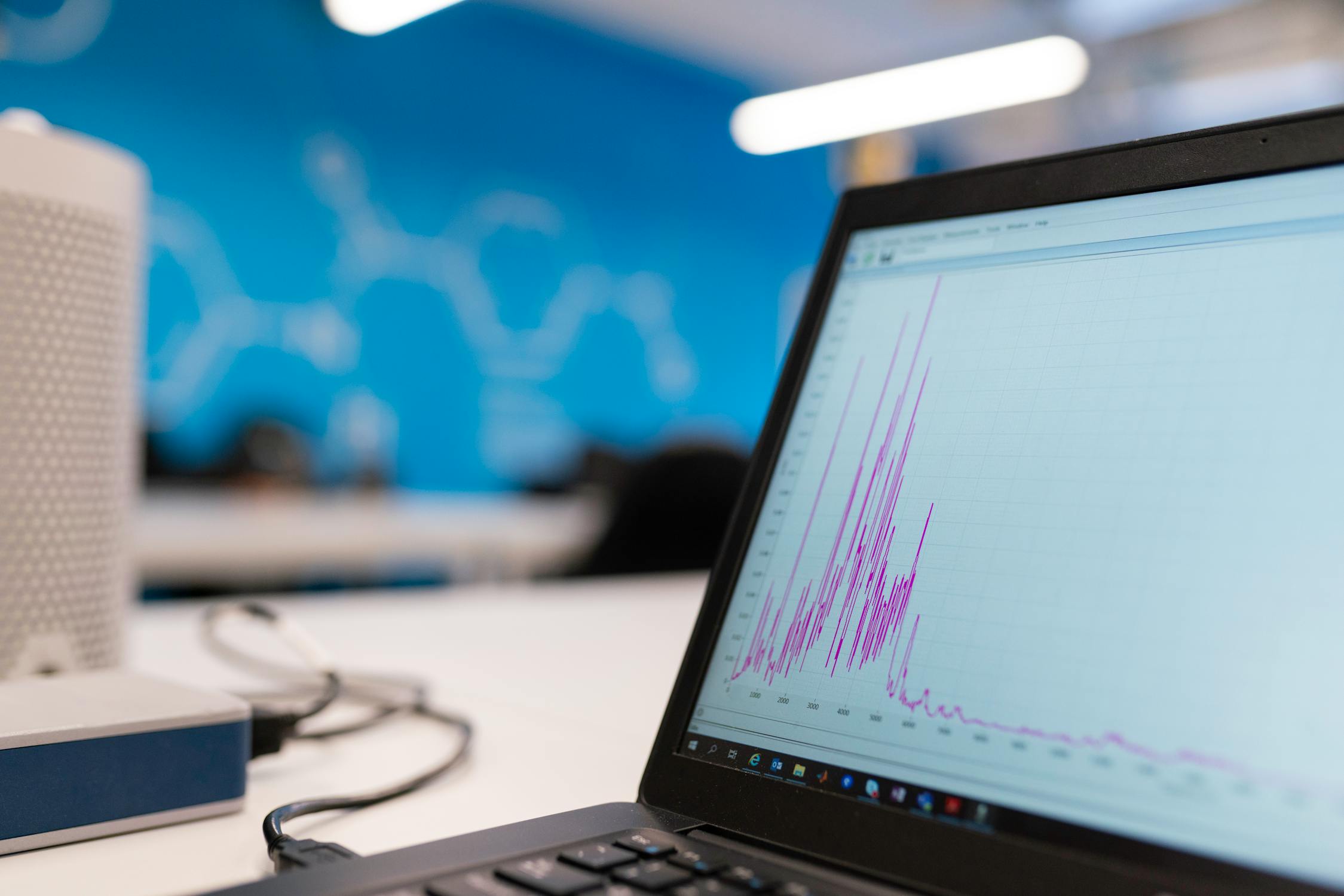
*Image Prompt: Abstract depiction of a high-tech processor chip, symbolizing AI power.*
The Camera War: Computational Photography vs. Physics
The days of relying solely on sensor size and lens glass are over. The current battleground in the **mobile phones** sector is computational photography, where software algorithms use AI to create images that the physical hardware alone simply could not capture. This is leading to incredible **phone updates** focused purely on image quality:
Key Computational Camera Trends:
- **Generative Editing:** AI-powered features (like Google's Magic Editor or Samsung's Generative Edit) allow users to move, erase, or resize objects in photos, automatically filling in the background. The phone is no longer just capturing reality; it's co-creating it with the user.
- **Extreme Zoom:** Periscope telephoto lenses, combined with advanced stacking and AI upscaling, are pushing mobile zoom capabilities past 100x digital, offering unprecedented detail from a distance. Recent **mobile reviews** highlight devices with 200MP telephoto sensors, making professional-grade zoom accessible to everyone.
- **Video Enhancement:** AI-powered video stabilization, real-time noise reduction, and automatic cinematic blur effects are standard, transforming the quality of video captured on a pocket-sized device.
These advances fundamentally blur the line between smartphone cameras and dedicated cameras, making our phones the only camera most people will ever need. You can see how this shift started with the groundbreaking HDR+ technology developed by Google AI Research, which laid the foundation for modern computational photography.
Connectivity: Beyond 5G to 6G and Satellite Integration
While 5G is still expanding, the **technology trends** already point towards 6G, which promises another exponential leap in speed, connectivity density, and, most importantly, ultra-low latency. This future will enable truly seamless experiences:
Future Connectivity Comparison: 5G vs. Emerging Trends
| Trend | Primary Benefit to Mobile Phones | Impact on User Experience |
|---|---|---|
| **6G Development** | Extremely low latency (sub-millisecond) and terabyte speeds. | Flawless, cloud-rendered AR/VR experiences and instant complex computing tasks. |
| **Satellite Messaging** | Direct-to-device communication for emergency services and messaging. | Eliminates "dead zones" in remote areas, significantly boosting safety and reliability. |
**Recommendation:** Look for devices prioritizing advanced antenna technology, as they are best positioned for these upcoming **phone updates**.

*Image Prompt: Foldable phone in use, showcasing advanced multitasking.*
Form Factors: The Future of the Screen
Parallel to the internal upgrades, the external form of **mobile phones** is also evolving. While the rigid slab has been king for over a decade, foldable and, increasingly, rollable displays are maturing. These form factors are not just a gimmick; they enhance productivity and media consumption, justifying the premium price points often noted in **mobile reviews**.
Furthermore, the integration of health **technology trends** is turning the phone into a proactive diagnostic tool. Continuous health monitoring, including heart rhythm analysis, blood pressure estimation, and even mental wellness tracking, is becoming standard, turning our phones into a 'pocket doctor' built on advanced **Science & Technology**.
For more on the development and regulation of mobile health features, the guidelines and resources from the U.S. Food and Drug Administration (FDA) regarding mobile medical applications are highly relevant.

*Image Prompt: Close-up of a multi-lens smartphone camera module.*
Conclusion: The Intelligent, Sensory Device
The smartphone of the near future will be defined by its internal intelligence and advanced sensory capabilities. The move to On-Device AI ensures faster, more private, and deeply personalized experiences, while computational photography redefines what's possible with a pocket-sized camera.
As these **technology trends** converge with faster networks and evolving form factors, the **mobile phones** of tomorrow will be far more than communication tools; they will be intelligent, proactive extensions of our minds and senses, constantly adapting and improving through regular **phone updates** driven by cutting-edge **Science & Technology**.
Follow Us: For more updates, stories, and partner links — visit our official Facebook Page and explore Our Sister Sites.


No comments:
Post a Comment